That was our second time in Richmond. A little over a month passed like pages brushed by the wind—unhurried, gentle, and before I realized it, already at the end. It was not short, long enough for the grass in the corner of the yard to turn green and then faintly yellow. Yet it was not long either. Just as I began to recognize the rhythm of birdsong in the mornings, it was already time to pack our bags.
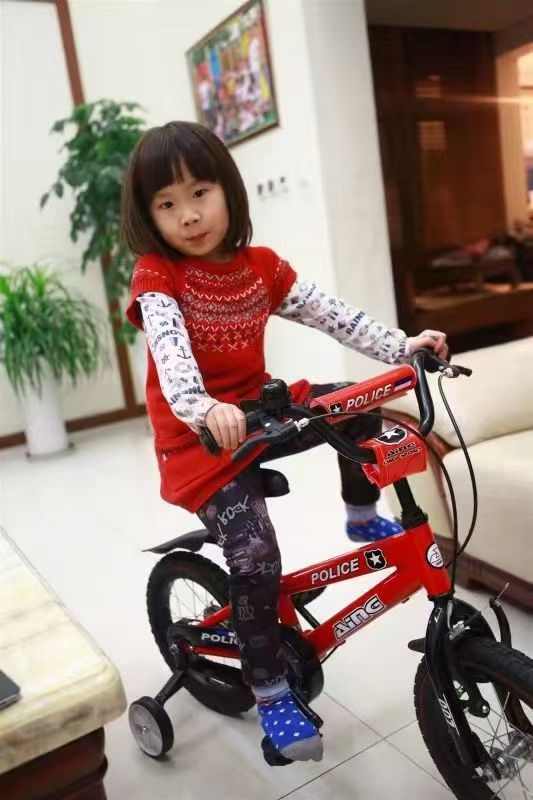
The landlord’s yard was not large. A small patch of grass that felt slightly soft underfoot, and in one corner, a gray-blue bicycle resting quietly. It was not new. The bell was rusted, but the tires were always fully inflated. During that month, my world seemed to shrink to this yard, and to one single task: learning how to ride a bike.
More precisely, learning how not to.
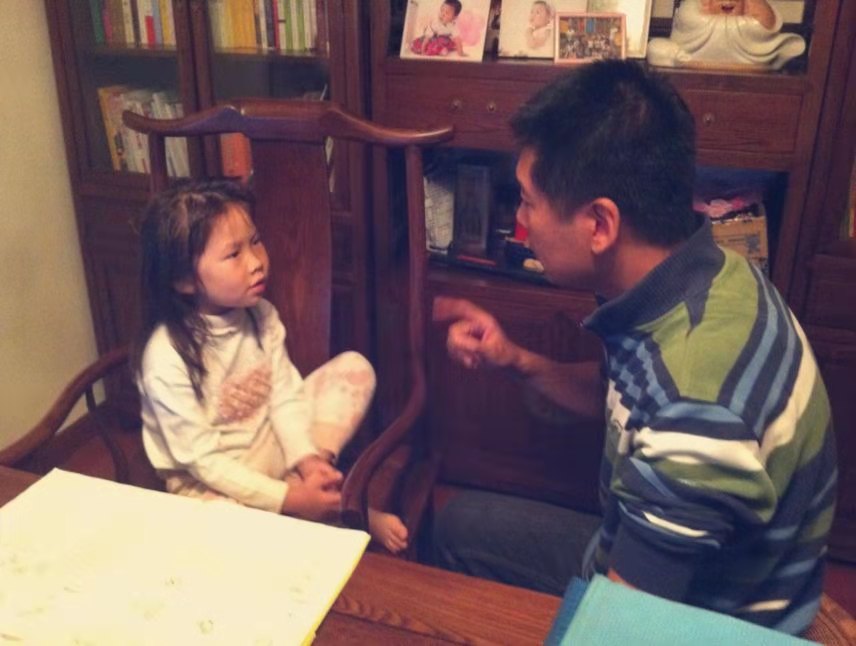
Every day felt like a copy of the day before. I climbed onto the seat, wrapped my hands around the worn handlebars, and the moment my feet touched the pedals, the bike tilted instinctively to one side. My father always stood behind me, one hand firmly holding the seat, the other hovering in the air like a net ready to open. Because I knew that net was there, I never truly fell. Even when the front wheel drifted, even when my balance slipped, my heart remained strangely calm. I knew there would always be hands to pull me back to safety.
So I was not afraid of failure. I even grew comfortable with the cycle. My father would sometimes say softly, “Don’t be nervous. Try again.” I nodded, pushed the pedals, rolled forward a few turns, and drifted once more into the familiar slant. Over time, even I began to believe it. Maybe balance was simply something I lacked.
On the morning of our departure, the luggage had already been packed into the car, and the yard suddenly felt empty. Slanted sunlight spilled across the grass, casting a quiet glow on the gray-blue bicycle. I do not know where the stubbornness came from, but I walked over and wheeled it out. It was not frustration. It felt more like an indistinct urge, as if I needed to settle something before leaving.
“I want to try one more time,” I said to my father.
He looked at me, but instead of stepping behind me as he always did, he stayed where he was. His voice was gentle, but firm. “This time, try it on your own.”
I froze for a moment, then got on the bike. At that instant, the world grew unusually quiet. The handlebars felt unfamiliar beneath my palms, and the pedals seemed heavier than before. I pushed down once, and the bike immediately began to wobble—not the kind of wobble that could be easily corrected, but a real one, unanchored and exposed.
The wind brushed past my ears more clearly than ever. The ground slid backward in the corner of my vision. There was no breath behind me, no hands ready to catch me. My chest hollowed out, as if I were suspended halfway, my feet placed on a road I had never walked alone.
Yet in that moment of panic, a sharp focus surfaced. I had no choice but to engage every sense I had. My eyes locked forward. My arms adjusted instinctively. My legs pressed down hard on the pedals, again and again. Tilt, correct. Tilt again, correct again. Somewhere in that clumsy rhythm, my body seemed to suddenly understand the language of balance.
Then, without my noticing exactly when, the wheels began to roll steadily forward. The wind grew lighter. The bushes along the edge of the yard slowly moved past. I was riding—alone, without support, without reliance—moving forward in a clean, unbroken line.
I did not cheer. I slowed to a stop, placed my feet on the soft ground, and turned around. My father stood where he had been, his figure clear in the morning light. He did not smile. He simply looked at me, the pale sky reflected in his eyes, along with something deeper that I could not yet name.
It was not that I could not learn. It was that the constant support I had grown used to had quietly taken over the struggle that belonged to me. That ever-present protection allowed me to remain comfortably “unable.” True learning began only when there was no one behind me at all. I had to face the instability on my own. I had to trust my body. I had to find my own point of balance between wind and ground.
Years later, when I think back on that morning, I understand more clearly. Love can be the warmth of a steady hand at your back, giving you the courage to try without fear of falling. But a deeper kind of love may be the courage to withdraw that hand. It is the belief that you already carry the ability to fly, and the quiet choice to step back, leaving the sky entirely to you—to wobble in, to search through, and eventually, to stand steady within.
That was the day I learned how to ride a bicycle. It was also the day I first touched the unspoken contract of growing up: that progress does not come from someone holding the frame forever, but from someone trusting you enough to let go. And that first moment of imbalance is often the very beginning of true control.
 Amy's Memoir