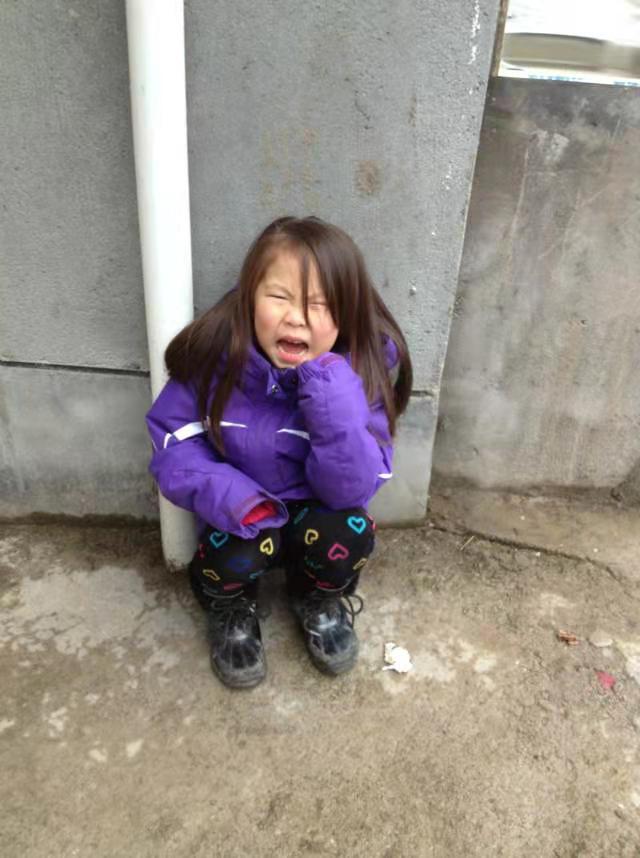
I used to cry over everything. My childhood felt as if it were soaked in something transparent and salty, a quiet liquid that followed me everywhere.
I cried when my mother left for work in the morning. I cried on the way to school. I cried when my grandmother did not come to visit as promised. My tears came easily, as if they were always waiting just beneath the surface.
One morning, I remember standing by the front door while my mother put on her shoes. She moved quickly, already late, her bag hanging from one shoulder. I stood behind her in my pajamas, barefoot on the cold floor, watching her reach for the door handle. The moment her hand touched it, my throat tightened. I started to cry.
It was not loud at first. Just a soft, broken sound, like I was trying to hold it back and failing. My mother sighed and turned around. She knelt down in front of me, wiped my face with her sleeve, and asked gently, “Why are you crying again?”
I did not know how to answer. Nothing bad had happened. She was just going to work. She always came back. Still, the idea of her leaving felt unbearable. I cried harder, clinging to her arm as if my hands could keep her there.
Sometimes she joked, half worried and half tired, “If you cry like this every day, will you run out of tears one day?” Other times, her voice grew serious. She asked if I was too sensitive, if being like this would make life harder for me later, if people would take advantage of someone who cried so easily.
Perhaps it was precisely because I was so certain of being loved that tears became my most fluent language. They were my silent way of asking for more attention, more companionship, more reassurance that I mattered. This was never the kind of “manipulation” the adult world warns against. It was something far more instinctive and primitive, a form of communication that existed before I had the words for it. At that age, my vocabulary was painfully limited. I could not explain separation anxiety, the ache of missing someone before they were even gone, or the fear of uncertainty. All the storms inside me condensed into hot, honest tears. They were my only language, and they carried everything I needed to say.
I was a child who was deeply loved. My family spoiled me in the gentlest ways. And perhaps because I already had so much love, crying became my most effective way to ask for more. It was not manipulation. It was instinct. I did not yet have the words to say, “I miss you already,” or “I don’t like goodbyes,” or “Please don’t leave just yet.” Tears were the only language I had.
As I grew older, I learned that being “the kid who cries easily” made adults nervous. They worried I would be bullied. They worried I was too soft for the world. Slowly, I learned to swallow my tears. I learned to smile instead. I learned to say “I’m fine” even when I wasn’t.
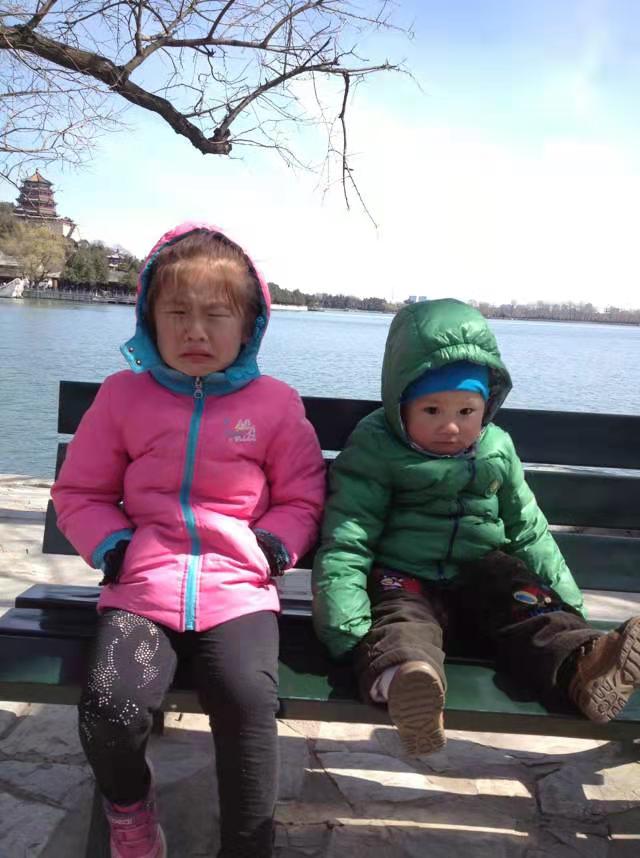
Now, of course, I do not cry so easily. Life has taught me more varied and complicated ways to express myself: quiet presence, words on a page, controlled smiles, decisive action. My emotions have learned to flow through many different channels. Yet deep inside, I have saved a gentle place for that tearful little girl, and I remain deeply grateful to her. She protected the purity of my feelings in the most instinctive way she knew. She taught me, through endless tears, that sensitivity is not a flaw but evidence of a soul with fine textures. To reveal vulnerability so openly has always required courage.
That morning by the door, I was not weak. I was asking for love in the only way I knew how.
Now, years later, I don’t cry the way I used to. I have learned other ways to express myself. But I am grateful that I was once a child who cried so freely. She taught me that sensitivity is not something to be ashamed of. It is simply another way of being honest.
And honesty, I have learned, is one of the bravest forms of love.
 Amy's Memoir