“You know when I admired you the most?” my mother said once, casually, in the middle of a conversation.
“It was when you were in fourth grade.”
She sounded almost lighthearted, as if she were flipping through an old album.
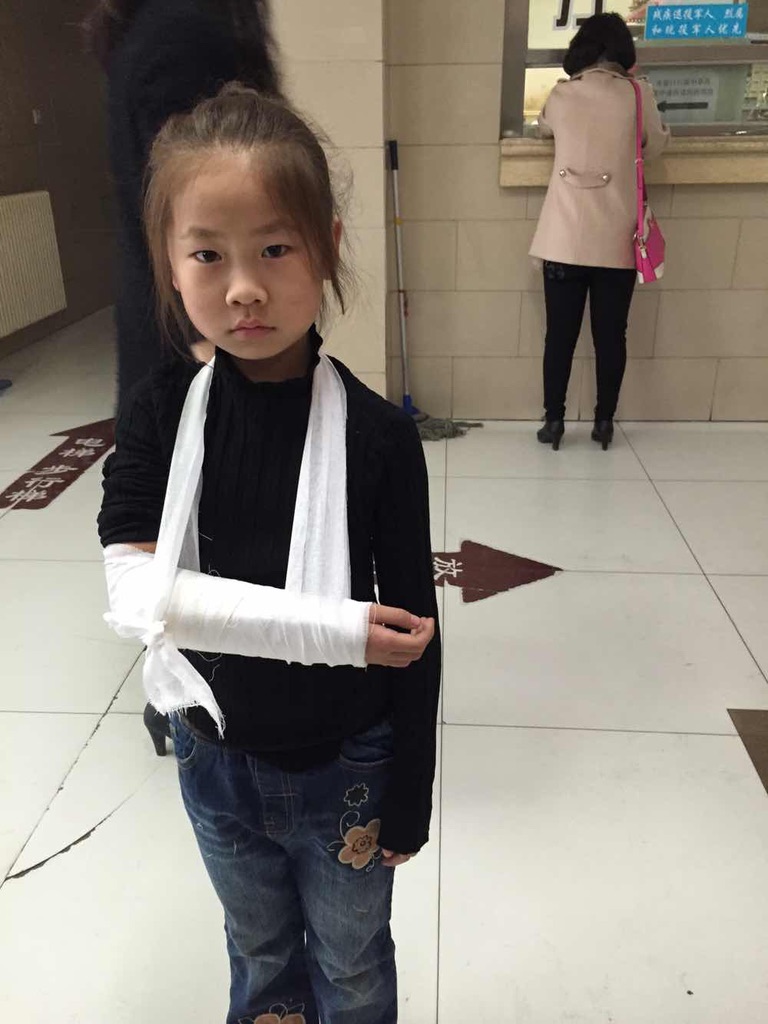
“You fell on the ice and broke your right hand,” she continued. “It was a comminuted fracture. And you didn’t cry at all.”
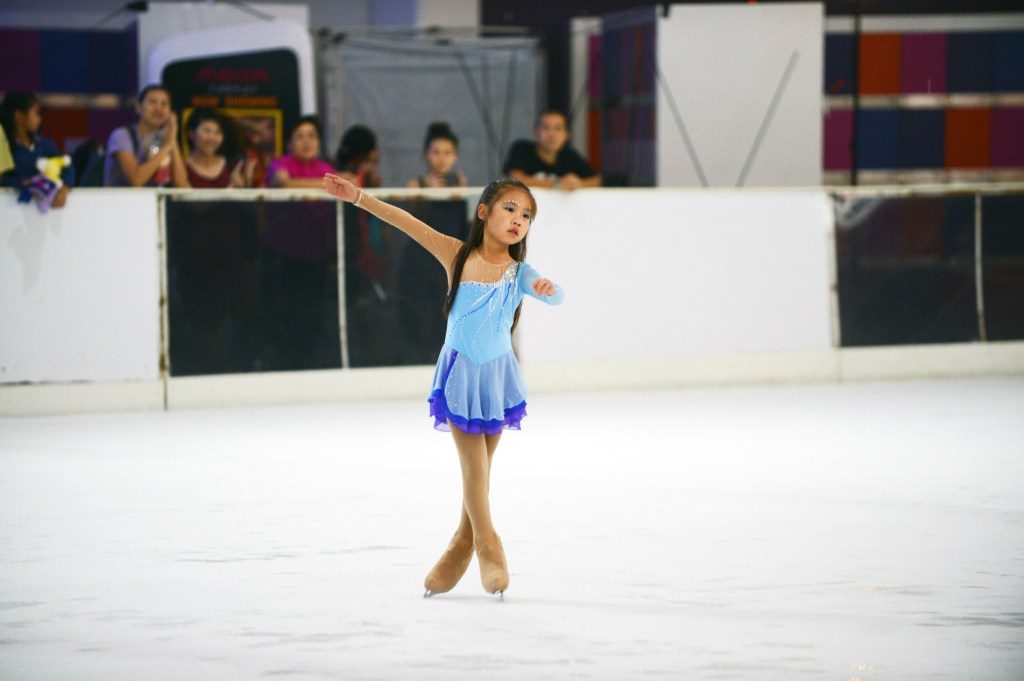
I froze.
I barely remembered it.
My mother, however, remembered everything. She said she panicked the moment I fell. She rushed me to the hospital for scans, bandaging, and the cast. All the way there, she waited. She waited for me to cry, to complain, to say I wanted to quit skating and go home. She knew me well. According to her, I was usually delicate, dramatic, the kind of child who would protest loudly over even a small scrape.
But I didn’t.
“You just sat there and let the doctors do their work,” she said. “So quiet.”
She said she was heartbroken watching me like that.
After my injury healed, I returned to the rink and continued skating. My mother told me that was the moment she truly admired me. She had expected me to retreat, to avoid the ice, to use the injury as a reasonable excuse to stop. But I didn’t. In her memory, that persistence was a kind of strength, something solid and unyielding.
Listening to her, I felt strangely distant from the story she was telling. Because in my own memory, that strength barely existed.
What I remember is fragmented. I remember practicing jumps, losing my balance, and instinctively bracing myself with my hand as I fell. There was no sharp pain, just a sudden weakness, a strange inability to push myself back up. My hand felt wrong, though I couldn’t explain how.
What happened afterward is blurry.
Perhaps physical pain is the easiest thing to forget.
But there is one thing I remember clearly.
When I stepped onto the ice for the first time after my recovery, I was afraid.
In the locker room, pulling on my skates, my heart was already racing. The blades felt colder than I remembered, the chill seeping through my bones. I skipped my warm-up entirely. My movements were stiff, my mind empty.
The moment I stepped onto the ice, I regretted it.
The rink opened beneath my feet, familiar yet unsettling. Before any pain returned, fear arrived first. Not fear of injury, but something quieter and more persistent. Fear of losing control again. Fear of falling again. Fear of everything that could happen if I did.
I wanted to turn around and leave.
I ended up skating slowly in circles. The arcs my blades carved into the ice were no longer smooth, each turn interrupted by small, tentative pauses. Every time I pushed off with my right leg, I instinctively held back, as if using too much force might make everything fall apart again. Cold air filled my lungs, carrying the sharp scent of disinfectant that always hung in the rink. I lowered my head and watched my shadow stretch and shrink across the ice. The weight of the cast on my right hand faded in and out of awareness, swinging lightly with each careful glide, quietly reminding me that it was still there.
I was not brave.
I was careful.
Each glide demanded focus. My body moved forward out of memory, but my mind hovered, alert and tight. I skated without confidence, without grace, and without certainty. Yet somehow, I stayed on the ice.
Only later did I begin to understand what my mother had seen as “strength.”
It was not that I felt no pain.
It was not that I felt no fear.
That strength came from something quieter: the choice not to leave after fear had already arrived.
Some kinds of courage are loud. They shout, charge forward, refuse to bend. But others exist in restraint, in hesitation, in the decision to stay even when every instinct says to retreat.
I have forgotten the fracture itself, but I remember what it felt like to stand on the ice again. To breathe through the cold. To move carefully, deliberately, without certainty. That was the moment I learned that strength does not always mean pushing harder.
Sometimes, it means continuing gently.
 Amy's Memoir